
Topics: Pest Control
A scratching sound in the attic, droppings behind the stove, or a raccoon tipping over the trash can creates one urgent question: how do you get it to stop? When comparing trapping versus exclusion, the answer is rarely one or the other. Trapping can remove the animal currently causing trouble. Exclusion closes the route that allowed it to enter. For lasting protection, many homes need both – in the right order.
That distinction matters across Indiana and Michigan, where changing seasons push mice, squirrels, bats, raccoons, and other nuisance wildlife toward warm, sheltered structures. A trap may solve today’s immediate problem. It does not repair a gap around a utility line, an open soffit, or a damaged vent that can bring the next animal inside tomorrow.
What Trapping Does Well
Trapping is a direct removal method. It is often appropriate when an animal is already inside a living space, attic, crawlspace, garage, or commercial facility and needs to be removed safely and promptly. For rodents, properly placed traps can reduce an active population and help identify where activity is concentrated.
The value of trapping is speed. A mouse in a kitchen, for example, can contaminate food-contact surfaces and reproduce quickly. A squirrel in an attic may chew wiring, disturb insulation, and create enough noise to keep a family awake. In these cases, waiting for the problem to resolve on its own is not a good plan.
Still, trapping has limits. Catching one mouse does not mean there is only one mouse. Removing a raccoon does not mean the roofline is secure. When traps are used without an inspection or follow-up repairs, the property remains available to new pests.
Trapping also requires careful placement, regular monitoring, and an approach suited to the species involved. Wildlife rules can vary by animal and location, and improper handling can put people and pets at risk. A professional can identify the animal, assess conditions, and choose a legal, humane, and practical removal strategy.
What Exclusion Does Well
Exclusion means making a structure harder or impossible for pests to enter. It focuses on the entry points, conditions, and vulnerabilities that turn a home or business into a convenient shelter.
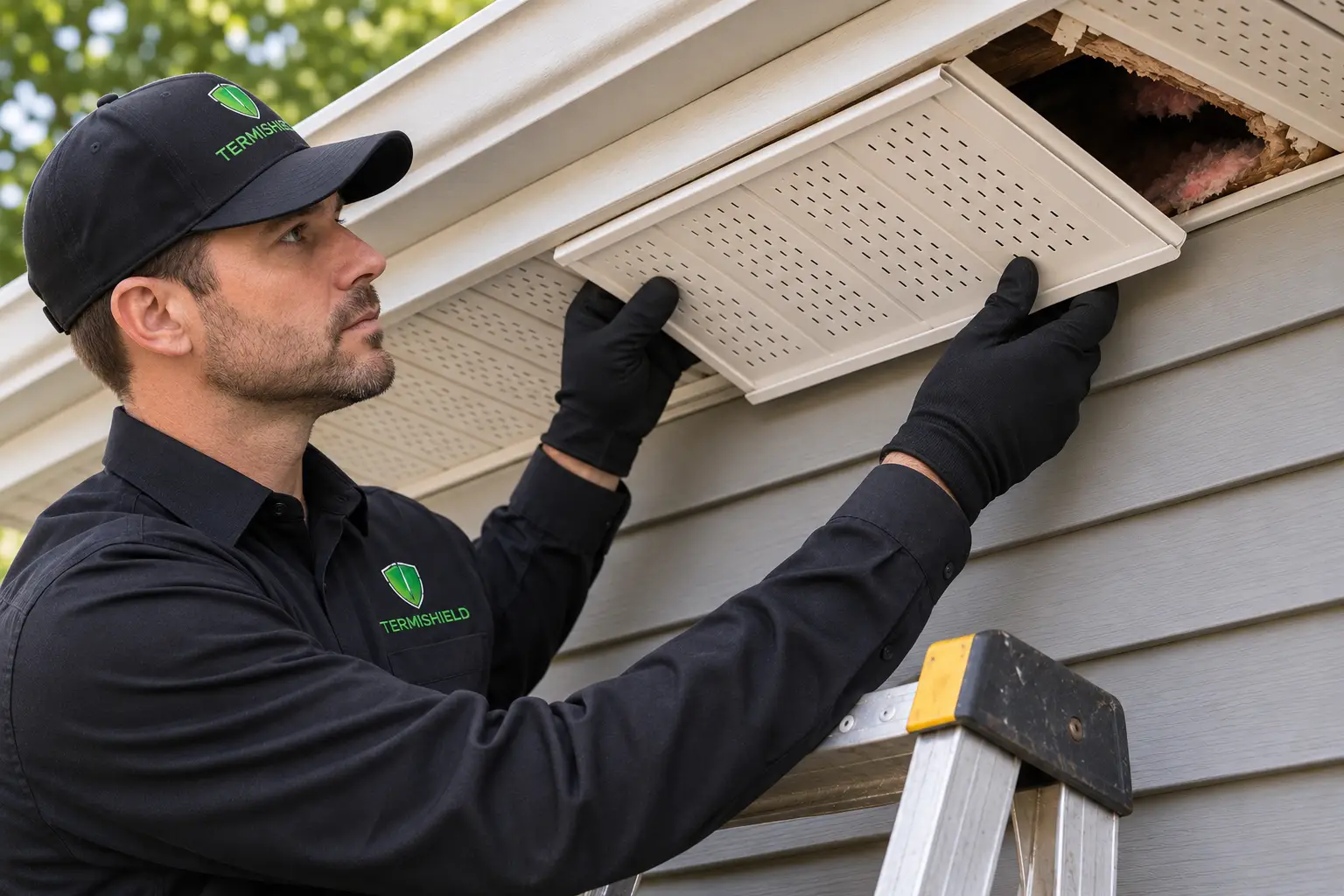
For mice, entry points can be surprisingly small. Gaps around pipes, damaged door sweeps, cracks at the foundation, openings around garage doors, and poorly screened vents can all become access routes. Wildlife often uses larger weak points, such as uncapped chimneys, loose fascia, broken attic vents, gaps at soffits, or openings where roof sections meet.
A thorough exclusion plan may include sealing gaps with appropriate materials, screening vents, repairing damaged sections of the exterior, improving door seals, and addressing access points around utility penetrations. The goal is not simply to make the building look better. It is to interrupt the path pests use to get inside.
Exclusion is usually the longer-term investment because it addresses the cause of repeat activity. It can also reduce the need for future removal services, protect insulation and wiring, and help prevent the mess and stress that comes with animals indoors.
But exclusion must be timed correctly. Sealing an opening while animals are still inside can create a bigger problem. Rodents may chew their way into another part of the structure. Wildlife may become trapped in an attic, wall void, or chimney. If young animals are present, separating them from the mother can lead to noise, odors, and a difficult recovery situation.
Trapping Versus Exclusion: When You Need Both
The most effective answer to trapping versus exclusion is often a planned sequence: inspect, remove, then protect. First, identify the pest, entry points, signs of nesting, and areas of damage. Next, remove active animals using a method appropriate for the situation. Once the space is confirmed clear, complete exclusion work to prevent re-entry.
This approach is especially useful for attic and crawlspace problems. Consider a homeowner who hears movement overhead in late fall. Traps may help remove mice already using the attic. However, if the exterior has unsealed gaps near the roofline, new mice can enter as quickly as the first ones are removed. The job is not complete until those access points are addressed.
With squirrels, raccoons, or other wildlife, professionals may use carefully selected one-way exclusion devices when conditions allow. These devices are designed to let an animal leave without returning through the same opening. They are not appropriate in every season or for every species, which is why an inspection comes first.
For commercial properties, the same principle protects operations. A restaurant can trap a mouse found near a storage area, but the facility may still face repeat activity if delivery doors, floor drains, wall penetrations, or utility access points are not managed. Warehouses, retail spaces, offices, and multi-family properties benefit from documented inspections and targeted repairs because pest pressure often changes with weather, deliveries, construction, and occupant activity.
Signs Exclusion Should Be a Priority
If pests keep coming back after removal, the property likely has an access issue. Repeated droppings in the same area, fresh gnaw marks, torn vent screens, greasy rub marks along walls, and recurring attic noises are all reasons to look beyond the trap.
Exclusion should also move to the top of the list when a property has visible exterior wear. Loose siding, damaged roof edges, deteriorated weatherstripping, foundation cracks, and gaps around pipes may seem like small maintenance issues. To a mouse or wildlife animal seeking shelter, they can be an open door.
Homeowners sometimes try to seal every opening immediately after seeing activity. That instinct makes sense, but it is safer to confirm what is using the opening first. A professional inspection helps determine whether the gap is active, whether animals are inside, and what repair method will hold up against chewing, weather, and future pest pressure.
Why DIY Trapping Can Fall Short
A single store-bought trap can be useful for a minor, isolated mouse problem. Yet do-it-yourself efforts often miss the conditions that allowed the infestation to start. Traps may be placed where homeowners see pests rather than along the routes pests actually travel. They may be checked inconsistently, or removed once activity appears to slow, even though the population remains.
DIY exclusion can also create problems when the wrong materials are used. Some quick fixes deteriorate outdoors, leave sharp edges, block needed ventilation, or are easily chewed through. Sealing only the obvious opening may also send pests toward another vulnerable area.
The concern is greater with wildlife. Animals in attics, chimneys, and wall voids can be unpredictable, and some may carry parasites or create contamination concerns. Attempting removal without confirming the species, the number of animals involved, and the presence of young can turn a manageable issue into a costly repair.
A Practical Plan for Mice and Wildlife
The right solution begins with evidence, not guesswork. During an inspection, look for droppings, tracks, nesting material, chewed areas, exterior entry points, and signs of moisture or structural damage. The inspection should also consider what is attracting pests, including accessible food, cluttered storage, bird seed, pet food, overflowing trash, or tree limbs contacting the roof.
From there, the service plan should match the problem. Active rodents may require targeted trapping and monitoring, followed by sealing entry points. Wildlife may require removal or one-way exclusion before repairs are completed. In either case, sanitation and follow-up matter. Old nesting material, droppings, and damaged insulation can continue to affect indoor conditions even after the animal is gone.
Termishield Termite and Pest Control approaches these situations with a clear process: inspect the property, treat or remove the active problem, and protect the structure from repeat entry. A free inspection can clarify whether trapping, exclusion, or a combination of both is the responsible next step.
A pest-free property is not built on a single trap or a quick patch. It comes from finding the path in, addressing the animal already there, and giving your home or business a stronger line of defense for the season ahead.