
Topics: Pest Control
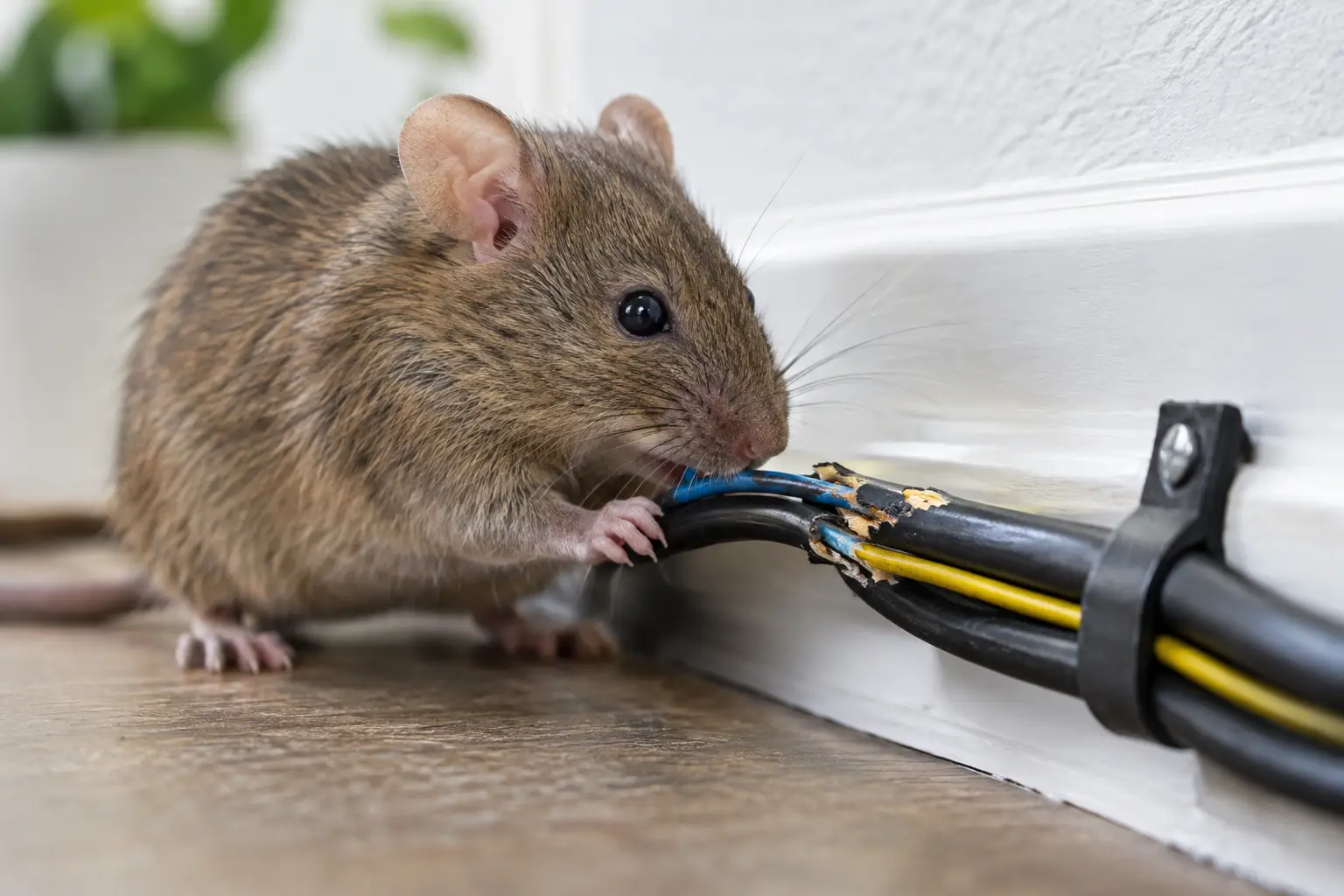
A faint scratching sound in the wall can feel easy to ignore – until a light flickers, an outlet stops working, or a breaker trips without a clear reason. Can rodents chew wiring? Yes. Mice, rats, and squirrels can damage electrical wire insulation, creating a property concern that goes well beyond an unpleasant pest problem.
For homeowners and business owners across Indiana and nearby Michigan communities, rodent activity can lead to repairs, disrupted operations, and potential fire hazards. The good news is that early inspection, targeted rodent control, and exclusion work can stop an active problem before it becomes a much larger one.
Why Rodents Chew Wiring
Rodents have front teeth that grow continuously throughout their lives. Chewing helps wear those teeth down, and many common building materials become convenient targets. Wire insulation, plastic conduit, foam, wood, cardboard, and stored belongings can all show damage when rodents establish themselves in an attic, crawl space, basement, garage, wall void, or utility area.
Electrical wiring is often especially vulnerable because it runs through protected, quiet spaces rodents already prefer. A mouse may travel along wiring routes behind walls or above ceilings while looking for nesting material, warmth, or food. Rats can cause more extensive damage because of their size and stronger bite. Squirrels may also chew exterior wiring, attic cables, and lines near roof entry points.
Not every chewed wire means a rodent is currently inside the building. Older damage, construction activity, or other issues can sometimes look similar. Still, exposed or damaged electrical wiring should never be treated as a DIY diagnosis. A qualified electrician should assess electrical safety, while a pest professional identifies how and why animals gained access.
Can Rodents Chew Wiring and Start a Fire?
They can create conditions that increase fire risk. Modern electrical wire insulation is designed to protect conductive metal from contact with other materials and wires. When rodents strip or puncture that insulation, bare conductors may become exposed. Depending on the location and severity of the damage, this can contribute to short circuits, arcing, overheating, power loss, or tripped breakers.
The risk depends on several factors: the type of wiring, the extent of insulation loss, electrical load, moisture, and whether wires touch combustible materials. One small tooth mark does not automatically mean a fire is imminent. But a damaged wire in an attic full of insulation or within a concealed wall deserves prompt attention because the condition can worsen without anyone seeing it.
If you notice a burning odor, smoke, sparks, warm outlets, repeated breaker trips, buzzing from walls, or sudden power problems, treat it as an electrical concern first. Turn off power to the affected circuit if it is safe to do so, contact a licensed electrician or emergency service as appropriate, and avoid touching exposed wires. Do not wait for rodent treatment before addressing an active electrical hazard.
Signs Rodents May Be Damaging Your Home
Chewed wiring is usually not the first sign of an infestation. Rodents leave clues as they move between shelter, food, and water. A focused inspection can help connect those clues to the source of the activity.
Look for droppings near kitchen cabinets, utility rooms, basements, water heaters, stored boxes, and along walls. Mice often leave small, rice-shaped droppings, while rat droppings are larger. Grease marks along baseboards, gnaw marks on food packaging, shredded paper or insulation, and a stale or ammonia-like odor may also point to rodent activity.
Sounds matter, too. Mice and rats are often most active at night, so scratching, scurrying, or light movement above a ceiling can be a useful warning sign. In winter, rodents may move indoors for shelter. In fall, they often become more noticeable as outdoor temperatures drop. That seasonal pattern is common in Northwest Indiana and throughout the region, but activity can occur at any time of year.
Electrical symptoms can add urgency. A breaker that trips repeatedly, a garage door opener that behaves unpredictably, lights that flicker, or a dead outlet near known rodent activity should be inspected. These issues may have causes unrelated to pests, which is exactly why a professional assessment is the safest approach.
Where Rodents Get In
A mouse can fit through an opening roughly the size of a dime. Rats need more room, but gaps around pipes, utility lines, foundation penetrations, garage doors, rooflines, and damaged vents can provide access. Once inside, rodents use hidden routes that make them difficult to spot from living areas.
Common entry points include gaps where siding meets the foundation, unsealed openings around HVAC lines, damaged crawl-space vents, loose weatherstripping, holes beneath decks, and worn door sweeps. Roof rats and squirrels may enter through damaged soffits, roof gaps, chimney openings, or tree branches that create a bridge to the home.
Sealing holes without understanding the full infestation can backfire. If rodents are trapped in a wall or attic, they may chew new escape routes or die in inaccessible areas. A better plan begins with an inspection that identifies active travel paths, entry points, nesting sites, and conditions that attract rodents.
Inspect, Treat, Protect: A Better Response to Rodent Damage
Rodent control is not just about setting traps. A reliable solution addresses the animals present now and reduces the chance of the next infestation. The most effective work follows a straightforward process: inspect, treat, and protect.
Inspect the Activity and the Damage
A detailed inspection should look beyond the kitchen or the spot where droppings were found. Professionals check accessible attic areas, crawl spaces, garages, exterior gaps, utility penetrations, roofline features, and signs of nesting. They also help distinguish mice, rats, squirrels, and other nuisance wildlife, since control methods and entry-point concerns can differ.
When wiring damage is suspected, document what you find. Photos can help show an electrician where pest activity occurred and support insurance conversations if needed. Keep in mind that pest control professionals do not replace damaged electrical components. Electrical repairs should be completed by a licensed electrician before affected circuits are put back into normal use.
Treat the Existing Rodent Problem
Treatment should be based on the species, the level of activity, and the building layout. Trapping and professionally placed bait stations are common tools, but placement and follow-up are what make them effective. Randomly placing store-bought bait in an attic or garage can create safety concerns for children, pets, and non-target wildlife, and it may not address the rodents’ actual travel routes.
In commercial properties, treatment also needs to respect food safety, inventory, customer areas, and documentation requirements. Restaurants, warehouses, healthcare facilities, offices, and multi-family properties benefit from service plans that track findings and support ongoing prevention rather than reacting only after damage appears.
Protect the Property With Exclusion
Exclusion is often the long-term difference-maker. This involves sealing appropriate entry points, repairing vulnerable vents or screens, improving door sweeps, and addressing gaps around utility lines. Material choice matters. Rodents can chew through weak patch materials, so durable exclusion methods should be selected for the location and pest pressure.
Property conditions matter as well. Store food in sealed containers, clean crumbs and spills promptly, reduce clutter in garages and storage rooms, and keep outdoor trash containers closed. Firewood, lumber, and dense vegetation should be kept away from the foundation when possible. These steps do not replace professional treatment, but they make your property less inviting.
What Not to Do When You Find Chewed Wiring
Do not wrap damaged wiring in tape and assume the problem is solved. Tape may hide the issue while leaving unsafe conductors or compromised insulation in place. Do not handle rodent droppings with bare hands or sweep them dry, either. Use appropriate precautions and follow safe cleanup guidance, especially in enclosed spaces where contaminated dust may be disturbed.
Avoid sealing every visible hole before confirming whether rodents are still inside. And do not rely on ultrasonic devices as a complete solution. Results vary, and these devices do not remove food sources, close entry points, or repair wiring damage.
Get Help Before Small Damage Becomes a Major Repair
When you suspect rodents have reached your wiring, quick action protects more than the electrical system. It protects the comfort and safety of the people who live or work in the building. Termishield Termite and Pest Control can inspect for rodent activity, identify likely access points, and build a treatment and exclusion plan suited to your property.
A free inspection gives you a clear starting point, honest findings, and a practical path forward. If pests return between scheduled visits, so do we. Address the electrical repair with a qualified electrician, stop the rodent activity at its source, and give your home or business the protection it deserves.