
Topics: Uncategorized
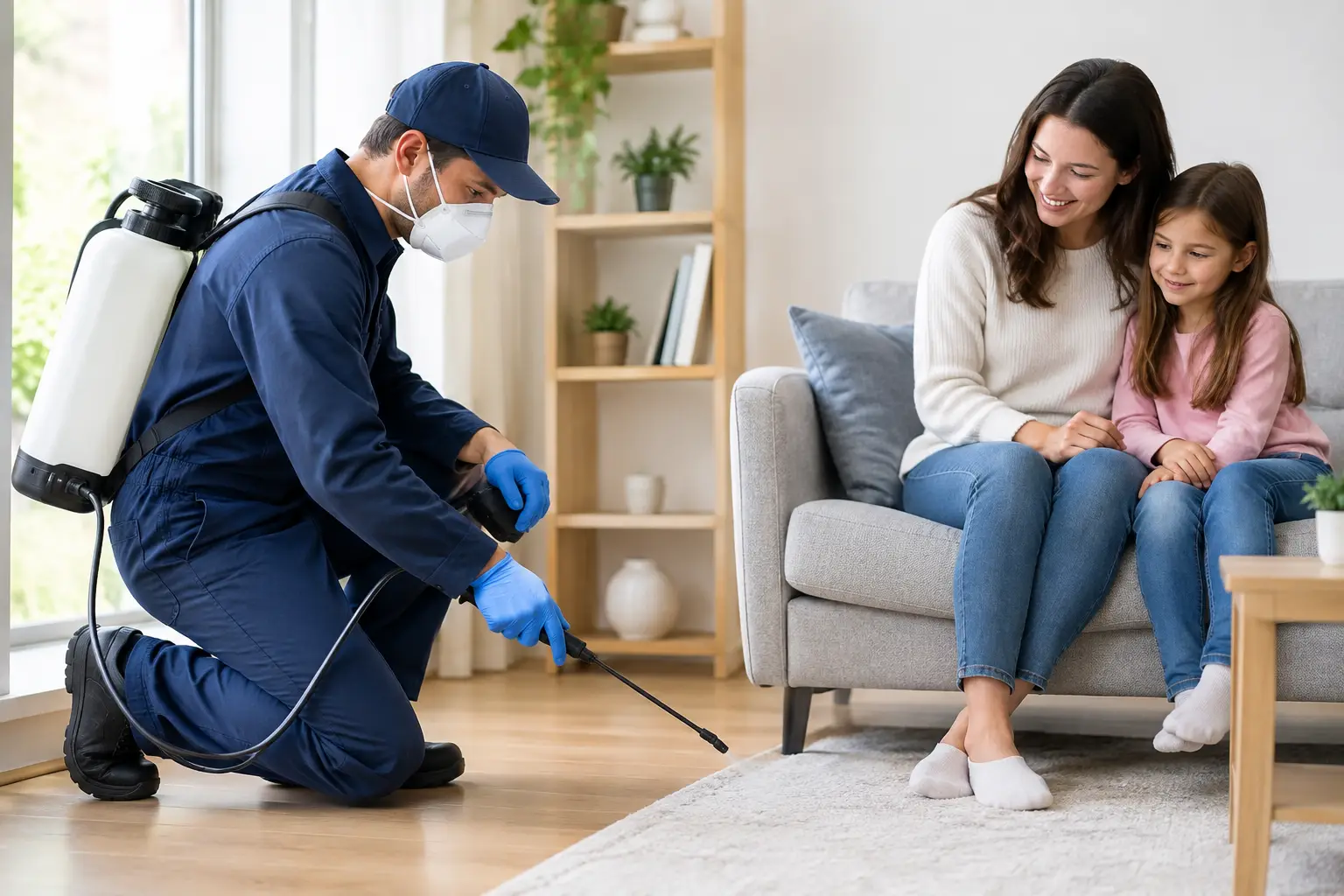
A mouse in the pantry, ants around the sink, or a wasp nest near the back door can make a home feel less comfortable fast. But when families call for help, the first question is often, “is pest treatment safe?” The honest answer is yes, when treatment is selected for the pest, applied correctly, and paired with clear instructions for your household.
Professional pest control is not about applying more product than necessary. It is about finding where pests are active, identifying what is drawing them in, and using a targeted plan to stop the problem while protecting the people, pets, and property inside.
Is Pest Treatment Safe When Professionals Apply It?
Pest treatment safety depends on the product, the application method, the location, and the technician following the label. A qualified professional begins with an inspection because the right solution for carpenter ants is not necessarily the right solution for cockroaches, bed bugs, rodents, termites, or mosquitoes.
That inspection matters. Instead of treating every room the same way, a technician can focus treatment around pest activity, entry points, nesting areas, cracks, voids, exterior foundations, or other specific locations. This targeted approach helps control the infestation without unnecessary application throughout your home.
Professional-grade products are regulated and come with directions for where, when, and how they can be used. Trained technicians understand those requirements, as well as the practical details that affect your home: whether you have crawling babies, curious pets, a fish tank, food-prep surfaces, allergies, or an active wildlife issue.
No treatment is completely risk-free if it is misused. That is why do-it-yourself overapplication, mixing products, or using a product in a place it was not designed for can create avoidable concerns. Professional service provides a plan, documented work, and someone accountable for answering your questions before and after treatment.
What Makes a Pest Control Plan Safer?
The safest effective plan starts with the least disruptive solution that can reasonably solve the problem. Sometimes that means a precise exterior treatment and sealing entry points. Other times, a serious indoor infestation needs focused interior service, monitoring, and follow-up visits.
A responsible technician will consider the pest’s behavior before choosing a treatment. Rodent control, for example, often involves trapping, sanitation guidance, and exclusion work to close gaps around pipes, doors, vents, and foundations. Removing access to food and shelter is just as valuable as removing the rodents already inside.
For termites, the goal is protecting the structure and addressing the colony’s path into the home. For bed bugs, the plan may include detailed preparation instructions, room-by-room treatment, and scheduled follow-up. For stinging insects, the safest option may be to leave an active nest alone until a professional can treat it, especially if it is near an entrance or play area.
The best pest control plans use several layers of protection:
- Inspection to identify the pest, the source, and the level of activity.
- Targeted treatment placed where it will do the most good.
- Prevention steps such as exclusion, moisture control, and sanitation.
- Monitoring and re-treatment when conditions or pest activity require it.
This approach is often called integrated pest management. For homeowners, it simply means solving the reason pests are there instead of relying on a single spray and hoping the issue stays gone.
Before Treatment: Simple Steps for Your Household
Your technician should provide specific preparation instructions for the service being performed. Follow them closely. They are not busywork – they help the treatment work properly and reduce the chance of exposure where it does not belong.
For many routine treatments, preparation is minimal. You may be asked to clear items away from a targeted area, cover or store exposed food, pick up pet bowls and toys, or provide access to a utility room, basement, or crawl space. In a kitchen, technicians typically avoid food-contact surfaces unless a particular treatment calls for different steps.
More involved services can require more preparation. Bed bug and flea treatments may require laundering fabrics, reducing clutter, vacuuming, or moving certain belongings away from walls. Cockroach treatments can work better when grease, crumbs, cardboard, and moisture sources are addressed. A good provider explains what to do, why it matters, and what can wait until after service.
If anyone in the home has respiratory sensitivities, a medical condition, or special concerns about a baby, pet, bird, aquarium, or reptile enclosure, say so before the appointment. This does not automatically mean treatment cannot be performed. It gives the technician the information needed to select and explain the appropriate precautions.
During and After Treatment: Follow the Directions
Some pest services allow residents to remain home, while others require people and pets to be out of the treated area for a period of time. The correct timing depends on the product and application. Your technician will tell you whether to leave, which areas to avoid, and when it is appropriate to return.
Keep children and pets away from treatment areas until the technician says they are safe to use again. If an application needs time to dry, let it dry completely. Do not wipe, mop, or scrub treated locations unless you have been instructed to do so, since that can remove the treatment before it has done its job.
After exterior service, it is also wise to keep pets off treated areas until they are dry. Bring in outdoor toys, water bowls, and food dishes beforehand when possible. If you maintain a vegetable garden, pond, or pollinator-friendly area, point it out during the inspection so the treatment plan can account for it.
You should also expect practical communication after service. A service record should explain what was found, what was treated, and any recommended next steps. This is particularly valuable for rental properties, restaurants, healthcare settings, and multi-family buildings, where pest-control documentation supports a clean, accountable operation.
Why Waiting Can Create a Bigger Safety Problem
Homeowners sometimes delay service because they are worried about treatment. That concern is understandable, but the pest problem itself may bring real risks. Rodents can contaminate stored food and damage wiring. Cockroaches can worsen allergy and asthma symptoms for some people. Mosquitoes bite outdoors, and stinging insects can turn a normal afternoon in the yard into an urgent situation.
Termites do not usually create a health emergency, but they can quietly cause costly structural damage. Bed bugs can disrupt sleep and spread through a home when they are not addressed early. Wildlife in an attic or wall can damage insulation, leave droppings, and create entry points for other pests.
The trade-off is not usually between treatment and no risk. It is between a professionally managed treatment plan and allowing an active pest issue to grow. Early inspection gives you more options and often allows for a more focused response.
Safety Is Also About Follow-Through
One-time treatment can be the right answer for a specific problem, but recurring protection is useful when seasonal pests repeatedly find their way back. Quarterly inspections, exterior de-webbing, preventive treatments, and responsive re-treatments can keep small issues from becoming larger ones.
This follow-through is especially helpful in Indiana and Michigan, where changing seasons bring different pressures. Ants and stinging insects become active in warmer months. Rodents look for shelter as temperatures drop. Spiders, occasional invaders, and moisture-related pests can show up when conditions change around the home.
At Termishield, the process is straightforward: inspect the property, treat the active concern with a targeted plan, and protect the home with prevention and dependable follow-up. If pests return between scheduled visits under a qualifying protection plan, the team returns at no additional charge.
A safe pest-control decision starts with a clear conversation. Ask what pest has been identified, where treatment will be placed, what precautions apply to your family and pets, and what you can do to prevent the problem from returning. The right provider will give you direct answers, honest pricing, and a plan that helps your home get back to having a Bug Free Day.