
Topics: Pest Control
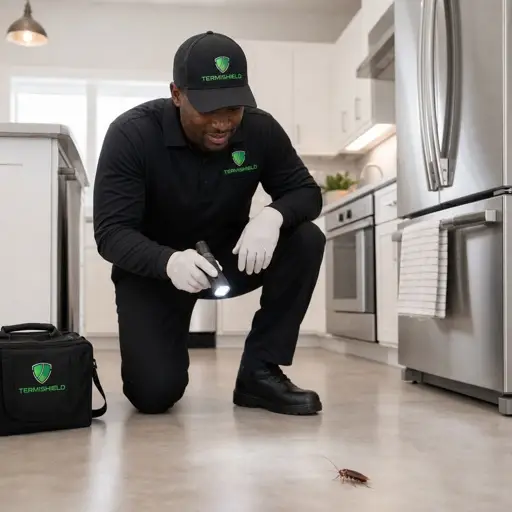
A cockroach that appears a week after treatment can feel like proof that nothing worked. In many cases, though, the answer to why cockroaches resist treatments is more complicated than a bad product or a missed spot. Roaches are built to survive, and a successful treatment has to reach the right species, life stage, hiding places, and food sources over time.
Seeing a live roach after service does not always mean the infestation is getting worse. Activity can increase briefly as roaches are driven from harborages, eggs can hatch after an initial visit, or a few insects may be entering from another unit, a delivery, or an exterior gap. The key is to identify what is sustaining the problem, then correct it with a plan that includes inspection, targeted treatment, and follow-up.
Why cockroaches resist treatments in real homes
Cockroaches have been adapting to threats for a very long time. Some populations can tolerate certain active ingredients better than others, especially when the same type of treatment has been used repeatedly. This is known as insecticide resistance. It does not mean every product is useless, but it does mean a one-size-fits-all approach can leave the strongest roaches behind.
German cockroaches, the small tan roaches commonly found in kitchens and bathrooms, are especially challenging because they reproduce quickly and live close to food, moisture, and warmth. A single egg case can hold dozens of developing roaches. If adult activity drops but egg cases remain protected in cracks, appliance motors, cabinet hinges, or wall voids, new nymphs may appear later.
Some roaches also develop bait avoidance. If a bait has been used heavily or placed where it competes with easier food, a portion of the population may avoid it. This is why professional cockroach control may involve rotating treatment methods, choosing products based on the situation, and placing materials precisely rather than broadly spraying every visible surface.
Resistance is only one possibility. More often, treatments seem to fail because the roaches were never exposed to enough of the treatment, or because the conditions that support them are still in place.
Hidden harborages keep roaches out of reach
Cockroaches do not usually spend their days out in the open. They hide in narrow, dark spaces near heat and water: behind refrigerators, under sinks, around dishwashers, inside stove components, below loose flooring, and in gaps behind cabinets. In multi-family properties, they can also move through shared utility lines, wall voids, and plumbing penetrations.
A surface spray may kill roaches that cross it, but it may not reach a colony tucked behind a kitchen wall. Foggers and bug bombs are particularly unreliable for established infestations. They may kill exposed insects while pushing others deeper into hiding. They also do not solve the access points, food sources, or neighboring-unit activity that may be driving the issue.
This is why inspection comes first. A trained technician looks beyond the roach you saw on the counter and searches for droppings, shed skins, egg cases, moisture sources, entry points, and harborages. That evidence helps determine whether the problem is German cockroaches, large outdoor roaches entering indoors, or a recurring issue coming from another area of the property.
Food and moisture can outcompete treatment
Roaches do not need a dirty home to become a problem. They can live on tiny amounts of grease, crumbs beneath appliances, pet food, cardboard glue, trash residue, and water from a slow plumbing leak. Still, reducing those resources makes every treatment work better.
A bait-based treatment depends on roaches finding and feeding on the bait. If there is spilled food under the stove, open pet food overnight, grease on a backsplash, or a full trash can nearby, the bait has more competition. The same principle applies to water. A dripping pipe or condensation under a refrigerator can support roaches even when food is limited.
Before and between services, focus on practical changes: store food in sealed containers, wipe counters and stovetops, vacuum crumbs from cabinet edges, remove cardboard clutter, empty trash regularly, and repair leaks when possible. These steps are not a substitute for professional treatment. They remove the advantages roaches rely on and help targeted materials do their job.
Treatment timing matters more than most people expect
Cockroach control rarely follows a one-visit timeline. The first treatment may reduce visible activity quickly, but complete control often requires follow-up to address newly hatched nymphs and any areas that were inaccessible during the first service. The exact schedule depends on the species, infestation size, property layout, sanitation conditions, and whether neighboring spaces are involved.
Overapplying store-bought sprays can make this process harder. Repellent products may scatter roaches from one hiding place to another, and spraying near placed bait can discourage feeding. Mixing products without understanding their labels or interactions also creates unnecessary safety concerns for children, pets, and food-preparation areas.
A better approach is measured and strategic: use the right material in the right location, monitor the activity, and return as needed. At Termishield, that process is built around Inspect, Treat, Protect, with documented service and follow-up options designed to keep a short-term pest issue from becoming a recurring one.
Reinfestation can look exactly like resistance
If roaches disappear and then return months later, the original treatment may have worked. The new activity may be a reinfestation. Roaches can arrive in grocery bags, used appliances, moving boxes, deliveries, purses, or items brought in from another location. Large outdoor species can also enter through door sweeps, foundation gaps, damaged screens, utility openings, and poorly sealed plumbing lines.
In apartments, condos, restaurants, offices, and other connected properties, one treated space may not be enough. A unit can be clean and carefully treated yet continue to receive roaches from an adjacent unit or shared wall void. Property-wide inspection, coordinated treatment, and clear sanitation responsibilities are often necessary. This is one reason commercial and multi-family pest control should be documented and managed as an ongoing program rather than handled only when someone reports a sighting.
What effective cockroach control looks like
Reliable control starts with identifying the roach and locating the activity. From there, the treatment plan should match the property, the infestation, and the areas where people live or work. A good plan may include targeted bait placements, crack-and-crevice treatment, insect growth regulators, monitoring devices, exterior exclusion, and recommendations for sanitation or repairs.
The treatment itself matters, but accountability matters too. You should know what was found, what was treated, what you can do before the next visit, and when to expect improvement. For a heavy German cockroach infestation, seeing occasional activity during the first weeks can be normal. The trend should move downward, with fewer sightings and fewer signs in monitors over time.
Call for help sooner rather than later if you see roaches during the day, find droppings in cabinets or drawers, notice egg cases, or spot small nymphs around sinks and appliances. Daytime activity can indicate crowding in hidden harborages, which often means the infestation is larger than it appears.
A roach problem does not need to become a judgment on your home or your housekeeping. It needs a clear diagnosis and a treatment plan that accounts for how roaches actually survive. With a thorough inspection, targeted service, practical preparation, and dependable follow-up, you can move from repeated sightings toward the Bug Free Day your home deserves.