
Topics: Pest Control
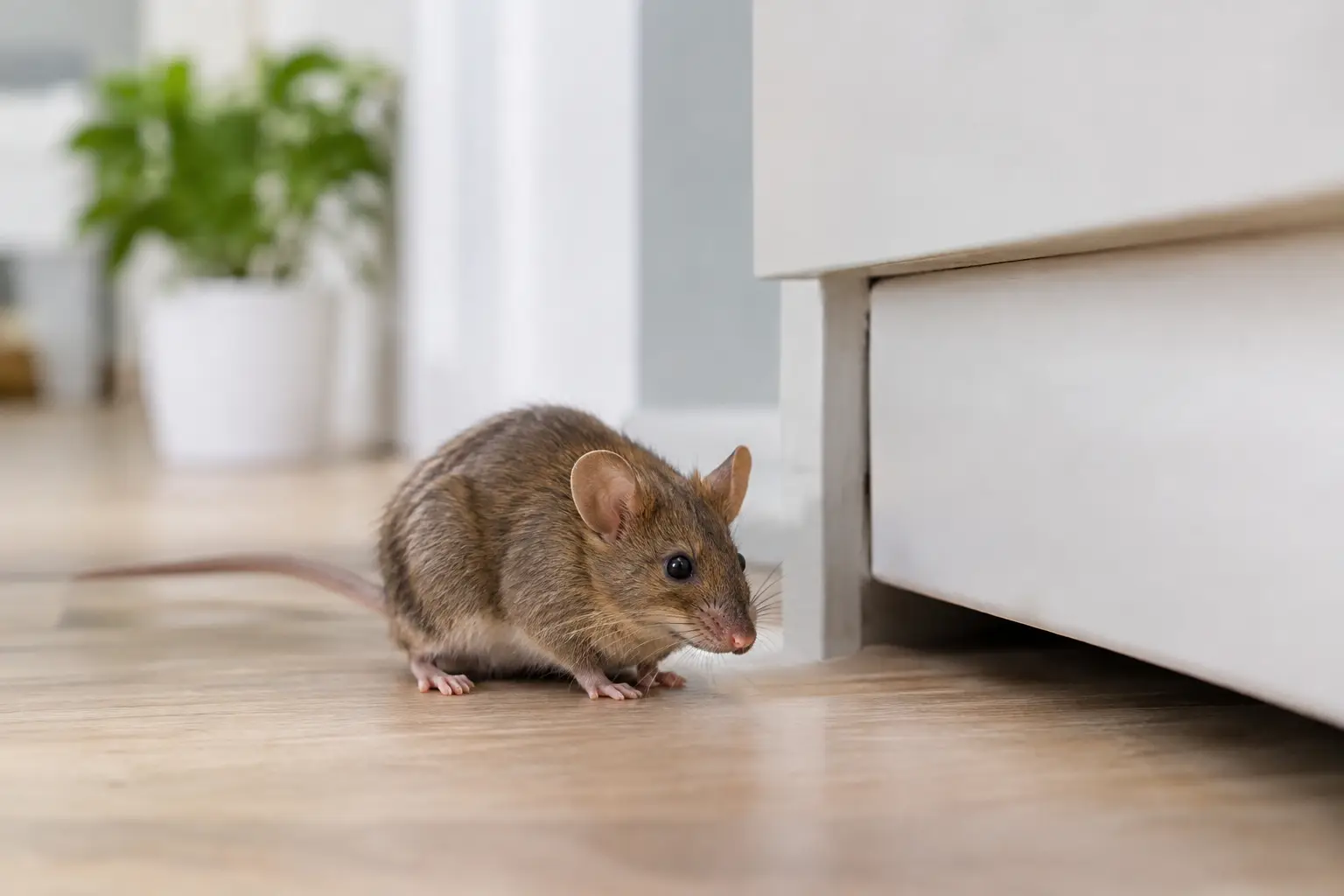
A few droppings under the kitchen sink may look like a cleanup job. They can also be a sign that mice have been traveling through the same areas where your family stores food, prepares meals, or keeps pet supplies. So, can mice spread disease indoors? Yes. Although not every mouse creates a serious health emergency, rodents can contaminate surfaces, food, and indoor air through their urine, droppings, saliva, and nesting materials.
The right response is calm, careful action. Do not ignore the signs, and do not dry-sweep a pile of droppings into the air. Identify where mice are active, clean contaminated areas safely, and close off the routes that allowed them inside. That is how you protect your home for the long term.
Can Mice Spread Disease Indoors?
Mice can carry germs that may make people sick, particularly when their waste contaminates food or food-contact surfaces. The level of risk depends on the species involved, the amount of activity, the condition of the property, and how the contaminated area is handled. A single old dropping in a garage is different from ongoing activity in a pantry, attic, crawl space, restaurant storage room, or healthcare facility.
Disease concerns connected to mice can include salmonellosis, which may result from food contaminated by rodent droppings. In some circumstances, rodents can also be associated with leptospirosis and other bacterial illnesses. Hantavirus is a well-known concern because people can be exposed when dust from dried rodent urine, droppings, or nests is disturbed and becomes airborne. Hantavirus infections are uncommon, but they are serious, which is why a heavy rodent infestation should never be treated casually.
Mice may also worsen allergies or asthma. Their urine, dander, and droppings can introduce allergens into the home, especially in hidden spaces where activity continues unnoticed. Young children, older adults, people with respiratory conditions, and anyone with a weakened immune system deserve extra protection around rodent-contaminated areas.
A mouse does not need to be seen running across the floor to create a problem. Most activity happens at night and along protected edges: behind appliances, inside cabinets, above ceilings, in basements, and around utility lines. By the time a homeowner sees a mouse, there may already be an established entry point and nesting area nearby.
How Mice Contaminate a Home
Mice are small, but they travel constantly. As they move between wall voids, garages, crawl spaces, trash areas, and indoor food sources, they can leave waste behind. They may chew packaging, get into pet food, cross countertops, or nest in insulation and stored belongings.
The highest-risk locations are usually kitchens, pantries, utility rooms, laundry rooms, attics, and areas where food is stored. In commercial settings, the concern extends to break rooms, stockrooms, receiving areas, food-preparation spaces, and warehouses. Rodent activity can create sanitation issues, damage inventory, and lead to failed inspections if it is not handled promptly.
Look for fresh, dark droppings, shredded paper or fabric, chew marks, gnawed food packaging, a stale odor, or greasy rub marks along walls and baseboards. You may hear scratching in the walls or ceiling after dark. These signs do not always tell you how many mice are present, but they do tell you it is time to investigate.
Clean Mouse Droppings Without Spreading Contamination
The biggest cleaning mistake is sweeping or vacuuming dry mouse droppings, nests, or dead rodents. That can stir contaminated dust into the air. Instead, give the area time to air out, wear disposable gloves, and wet the material thoroughly with a household disinfectant or a properly mixed bleach solution before wiping it up.
For a small amount of droppings, let the disinfectant sit for several minutes, then use paper towels to pick up the material. Place the waste in a sealed bag, discard it in an outdoor trash container, and wash your gloved hands before removing the gloves. Finish by washing your hands with soap and water.
If droppings are in a confined attic, crawl space, HVAC area, or a room with extensive nesting material, the job may require more than routine cleaning. Limit access to the space until it can be assessed. A trained pest professional can identify the rodent activity, while specialized cleanup support may be appropriate when contamination is heavy or insulation and building materials are affected.
Food that has been chewed, opened, or stored where droppings are present should be discarded. Wipe down hard surfaces, clean food containers, and inspect nearby cabinets. Do not assume a sealed-looking cardboard box protected its contents. Mice can chew through paper, thin plastic, and many food packages with ease.
Stop the Source, Not Just the Symptoms
Cleaning removes the immediate contamination, but it does not stop mice from returning. Effective rodent control starts with an inspection. Mice can fit through openings about the size of a dime, so small gaps around pipes, foundation penetrations, garage doors, siding, soffits, and utility lines matter.
Inside the home, reduce access to food and nesting materials. Keep dry goods and pet food in solid containers with tight-fitting lids, clean crumbs from under appliances, and avoid leaving pet bowls out overnight when possible. Reduce clutter in storage areas so you can spot fresh activity earlier. Outdoors, keep firewood and stored materials away from the foundation, manage overflowing trash, and address moisture issues that can attract rodents and other pests.
Traps can be useful for a small, active problem, particularly when they are placed along walls where mice travel. They work best as part of a larger plan, not as the only solution. If traps keep catching mice week after week, or signs reappear after you clean, there is likely an unsealed entry point or hidden nesting site.
Poison is not always the best first answer for an indoor mouse problem. Rodenticides have safety considerations around children, pets, and non-target wildlife. A mouse that dies in a wall or inaccessible space may also create an odor issue. A professional assessment helps determine the safest, most targeted approach for the property.
When to Call for Professional Rodent Control
Call for help when you see repeated droppings, hear ongoing sounds in walls or ceilings, find damage to wiring or insulation, or suspect activity in an attic, crawl space, or food-storage area. Prompt service is especially valuable when children, pets, vulnerable family members, or business customers may be exposed.
For homeowners across Indiana and nearby Michigan communities, rodent control should include more than setting a few traps. A complete approach should inspect the structure, identify likely entry points, treat active areas appropriately, recommend exclusion repairs, and provide follow-up to confirm activity has stopped. Documentation and preventive monitoring are equally useful for restaurants, healthcare locations, multi-family properties, and other facilities where sanitation standards matter every day.
Termishield Termite and Pest Control approaches rodent issues with the same practical process used for other property threats: inspect the conditions, treat the active problem, and protect the building against repeat activity. Clear findings and targeted recommendations help property owners make decisions without guessing.
Protect Your Home Before Mouse Season Builds
Mice often seek shelter as outdoor temperatures drop, but indoor problems can happen any time of year. A small opening near a pipe or garage door can become an easy route to warmth, food, and nesting material. Waiting until you see multiple mice usually means the problem has had time to grow.
If you find signs of rodents, treat them as a signal to act rather than a reason to panic. Clean carefully, protect food, and arrange an inspection if activity is ongoing or the source is unclear. A home should be a place where your family can relax – not a place where mice have the run of the walls.