
Topics: Pest Control
Seasonal pest control in Indiana combines prevention, inspection, and treatment matched to the pest and property. Watch for increased insect activity in spring and summer and pests seeking shelter as temperatures fall. Termishield’s ongoing home plans use quarterly service visits, while bed bugs, mosquitoes, and other specialty pests follow their own treatment plans.
An ant trail across the kitchen counter in April. Mosquitoes around the patio in July. Scratching behind a wall after the first cold nights of October. Indiana homeowners can face a different pest problem with each change in the weather.
Seasonal pest control starts with understanding what attracts pests, how they enter a home, and which treatments address the actual problem. Closing an entry point may do more for a recurring mouse issue than another bait placement. Fixing a leak can make a basement less inviting to moisture-loving insects. And bed bugs require their own inspection and treatment plan, regardless of the season.
This guide covers common household pests Indiana residents may encounter throughout the year, along with practical prevention steps and treatment options.
Which Service Fits Your Seasonal Pest Problem?
Choose ongoing home protection for recurring household pests, and request a separate inspection for specialty problems such as termites, bed bugs, mosquitoes, or wildlife. Quarterly service describes the visit schedule; monthly convenience payments describe billing.
| Service | Best fit | Schedule and scope |
|---|---|---|
| Shield home pest control plans | Ongoing protection against covered household pests | Quarterly visits with monthly convenience payments. Shield Advantage covers 25 common pests; Shield Premier covers 50 pests. Compare specialty coverage before selecting a plan. |
| Mosquito control | Outdoor mosquito activity around the yard and resting areas | Monthly treatments during the traditional May–October season. Ask about recurring service or a one-time special-event treatment. |
| Bed bug control | A suspected or confirmed indoor bed bug infestation | Inspection and preparation followed by three treatment visits, with two-week intervals and a four-month warranty from the initial service date. |
| Rodent exclusion and removal | Mice or rats returning through gaps and entry points | A property-specific inspection determines the removal and exclusion work. Request an estimate for the actual entry points and affected areas. |
For seasonal pest control near Indianapolis, Mishawaka, South Bend, Granger, or other covered communities, check Termishield’s service areas and request an inspection and estimate. Tell the team which pests you see, when activity started, and whether it returns between treatments.
Why Indiana Pest Problems Change Throughout the Year
Spring warming brings increased insect activity, summer supports outdoor breeding and foraging, and falling temperatures send certain pests looking for protected places to spend the winter. Inside heated buildings, however, some pests can remain active year-round.
Use the seasons as a planning guide rather than a rigid calendar. Weather, the condition of your home, and nearby vegetation influence what shows up and when. A shaded property with drainage problems will have different needs than a dry, well-sealed home. The most useful pest control plan starts with an inspection and changes as conditions change.
Spring Pest Control in Indiana
Ants and Carpenter Ants
Ants often become noticeable as outdoor activity increases. Kitchens, pet feeding areas, and places with available water are worth watching. Repeated trails deserve attention because the ants you see may be traveling from a nest elsewhere.
Clean food spills, store food securely, repair leaks, and seal accessible exterior gaps. For an established problem, species identification helps determine whether baiting, targeted entry-point treatments, or direct nest treatment is appropriate. Baits need time to work, and different ants may accept different formulations.
Carpenter ants need special attention when large ants appear near damp wood or you find coarse, sawdust-like debris. They excavate wood for nesting rather than eating it. Correcting excess moisture and locating the nest are important parts of treatment. Simply spraying the ants that cross the floor can leave the underlying problem unresolved. Purdue Extension explains ant identification and control.
Termite Swarms and Hidden Wood Damage
Spring is an important time to watch for termite swarmers. Winged insects indoors, discarded wings, mud tubes, or damaged wood warrant identification and inspection. Flying ants and termites can look similar, so save a specimen or take a clear photograph instead of guessing.
Reduce termite-friendly conditions by correcting drainage problems and leaks, removing wood debris, and avoiding direct contact between soil and structural wood. These improvements reduce risk but do not eliminate an established colony.
Professional treatment may involve a termite baiting system, a liquid termiticide treatment, or a property-specific combination. The building’s construction and evidence of activity determine the approach. A general exterior insect treatment is not a substitute for dedicated termite protection. Learn more about Termishield’s termite control services and Purdue’s termite guidance.
Spring Preparation Around the House
Make pest prevention part of spring maintenance. Check window screens, door sweeps, gutters, and places where utilities enter the building. Look for moisture near the foundation and investigate water collecting in crawl spaces or basements.
This is also a useful time to tell your pest professional what happened last year. Recurring ants in one room or insects gathering around the same window provide clues that can make the next inspection more productive.
Summer Pest Control in Indiana
Mosquitoes Around Patios and Yards
Mosquito prevention begins with water management. Buckets, clogged gutters, plant saucers, toys, and other water-holding objects can create breeding sites. Empty and clean containers regularly, especially after rain, and maintain screens to limit indoor entry.
When water cannot be removed, a professional may recommend a larvicide labeled for that specific setting. Targeted adult mosquito treatments may also be appropriate, but they work best alongside breeding-site reduction. Treating vegetation while leaving water-filled containers around the yard allows the source of the problem to continue.
Treatment placement matters, particularly near flowering plants and areas used by pollinators. Ask what will be treated and what preparation or reentry instructions apply. Purdue Extension’s mosquito guidance emphasizes eliminating breeding sites as a foundation of control.
Ticks Along Wooded and Overgrown Areas
Ticks deserve attention where lawns meet brush, woods, and other wildlife habitat. Exposure depends on the species and weather, so tick precautions should not end automatically when summer does.
Keep frequently used areas maintained, reduce brush and leaf litter around activity spaces, and check people and pets after outdoor time. Use an appropriate repellent according to its label and discuss pet protection with your veterinarian.
Where inspection identifies an ongoing problem, targeted treatment of tick habitat may be considered. Yard treatments cannot guarantee that every tick is gone, so personal precautions remain important. Purdue’s Indiana tick resource explains local species and control considerations.
Fleas in Homes With Pets
A flea problem can extend beyond the animal where adults are first noticed. Developing stages may be present in carpeting, upholstery, and areas where pets rest. Treating the house without addressing the pet, or the pet without addressing an infested environment, can allow the problem to continue.
Coordinate veterinarian-recommended pet treatment with frequent vacuuming, cleaning pet bedding, and professional treatment when needed. A pest professional may use products targeting adult fleas and insect growth regulators that interrupt development. Follow-up can be necessary as additional fleas emerge.
Use only products labeled for the animal or surface being treated. A household flea product is not automatically suitable for use on a pet. Purdue Extension provides more detail on flea management.
Wasps, Hornets, and Yellowjackets
Stinging insects become especially noticeable around outdoor gathering areas, and some social wasp colonies grow large by late summer and fall. Keep outdoor food covered, clean spills, and maintain tight-fitting trash lids.
A nest near a doorway, play area, or frequently used path may require professional treatment. Identification matters because bees and wasps have different nesting habits, and many are beneficial when they are away from people.
Keep your distance from an active nest. For insects entering a wall cavity, have the nest assessed before sealing the opening. The appropriate treatment depends on the species and nest location, not just the number of insects visible outside. Purdue discusses bees and wasps around homes.
Fall Pest Control in Indiana
Mice Looking for Shelter
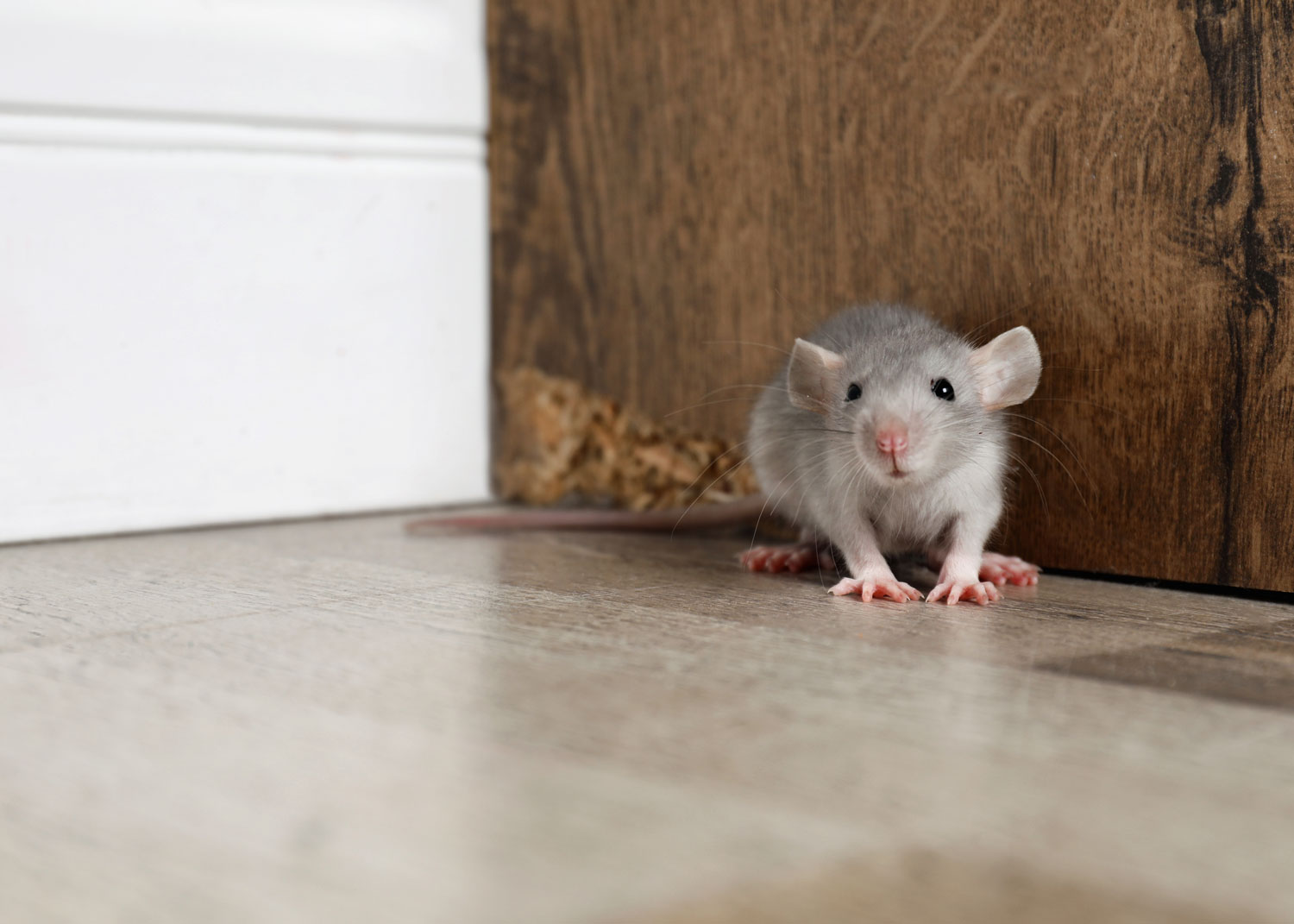
Fall is a useful time to strengthen rodent prevention before cold weather arrives. Mice can enter through surprisingly small openings. According to the CDC’s rodent exclusion guidance, a hole about one-quarter inch wide can be enough.
Inspect garage door seals, utility penetrations, foundation openings, and crawl space vents. Use durable, rodent-resistant repairs appropriate to each opening. Expanding foam alone should not be treated as a reliable barrier against chewing rodents.
Store pet food and birdseed in sturdy containers with secure lids, clean up spilled feed, and reduce clutter that provides shelter. These steps work best together: removing a food source does not close an entry hole, and sealing one hole does not remove mice already inside.
Stink Bugs, Boxelder Bugs, and Asian Lady Beetles
These insects may gather on exterior walls and enter cracks as they seek protected winter shelter. Finding them indoors does not necessarily mean they are breeding in your living space.
The most useful preventive work happens before they enter. Repair screens, improve weatherstripping, and seal appropriate gaps around windows, doors, and utility openings. Preserve required ventilation while screening vulnerable openings.
Where a home has a history of heavy activity, a professional may recommend a properly timed exterior treatment at likely entry areas. Once insects are hidden in wall voids, indoor spraying often provides limited value. Vacuuming accessible insects and disposing of the contents promptly can help manage occasional indoor visitors. Avoid crushing stink bugs, which can release an unpleasant odor. Purdue describes these fall nuisance invaders.
Finish Repairs Before Winter
Walk around the house before temperatures drop. Pay particular attention to damaged screens and gaps that have been easy to overlook during warm weather. If a pest returns every fall, plan the inspection before its usual arrival rather than waiting for it to appear indoors again.
Winter Pest Control in Indiana
Indoor Cockroach Activity
Cold outdoor weather does not resolve a cockroach infestation inside a heated building. Food, water, and protected hiding places can support continued activity.
Clean beneath appliances, reduce grease buildup, repair plumbing leaks, and inspect incoming items. Effective treatment commonly combines monitoring traps, strategically placed baits, and targeted applications selected for the situation. Follow-up monitoring helps show whether the population is declining.
Avoid adding sprays around bait placements unless your pest professional directs you to do so. In apartments or other connected buildings, coordinated inspection and treatment may be needed to address movement between units. Purdue’s cockroach management guide explains why sanitation, bait placement, and monitoring belong in the same plan.
Pantry Pests in Stored Foods
Small moths, beetles, larvae, or webbing in dry foods may signal a pantry pest problem. These insects can occur throughout the year, including winter when a household discovers activity in stored baking ingredients, cereal, nuts, or pet food.
Inspect susceptible packages and remove infested products. Clean shelves and crevices, then keep replacement foods in tight-fitting containers. Check nearby items as well as the first package where insects appeared.
Finding and removing the source is usually more useful than spraying a cabinet. Monitoring traps can help detect continued activity, but they do not replace a thorough search for infested food. Purdue’s pantry pest publication covers common pests of stored food in Indiana.
Bed Bugs Are a Year-Round Concern
Bed bugs do not depend on a particular outdoor season to infest an occupied home. They can arrive on luggage, furniture, clothing, and other belongings. A winter trip can create an opportunity for introduction just as a summer vacation can.
Inspect secondhand furniture before bringing it inside, and check sleeping areas when traveling. Watch for live insects, shed skins, and dark spotting around mattress seams and furniture joints. Bite marks alone are not enough to confirm bed bugs.
If you suspect activity, arrange an inspection promptly. Avoid moving potentially infested belongings between rooms, and tell your landlord or property manager if you live in a shared building. Nearby units may also need inspection.
Treatment should combine appropriate preparation, targeted control, and follow-up. Depending on the property, professional options can include carefully applied pesticides, steam, or specialized heat treatment. These are treatment categories, not interchangeable solutions or a promise that every provider uses every method. EPA explains the importance of a coordinated bed bug control plan.
Bed bug encasements, monitoring devices, and heat-drying suitable fabrics can support that plan. Do not try to heat an entire room with a thermostat or space heater. Household bug bombs should not be relied on to eliminate insects hidden in cracks and furniture. EPA’s prevention and control tips explain practical supporting measures.
Termishield’s bed bug control service includes inspection, preparation guidance, treatment, and scheduled follow-up. Ask for instructions tailored to your home before moving furniture or preparing rooms.
Treating an Existing Mouse Infestation
Although fall is an important prevention season, mice already living indoors require attention at any time of year. Droppings, gnawed packaging, nesting material, and recurring scratching noises should prompt an inspection.
A complete response combines removal, exclusion, and monitoring. Appropriately placed snap traps can help remove indoor mice; keep them inaccessible to children and pets and check them regularly. Where rodenticides are warranted, product selection and protected placement must follow the label. Poison bait alone does not repair the openings that allowed mice inside. The CDC’s trapping guidance explains practical considerations.
Cleanup also matters. Do not dry-sweep or vacuum droppings or nesting material. Follow CDC cleanup instructions, including ventilation, gloves, and thoroughly wetting contaminated material with an appropriate disinfectant before removal. Heavy contamination calls for additional precautions.
Professional rodent control can help identify where activity is concentrated and what repairs are needed to reduce the chance of another infestation.
Choosing a Seasonal Pest Prevention Plan
The right plan should explain which pests are being monitored, what conditions need correction, and why a particular treatment is recommended. Ask which services are included and whether bed bugs, termites, mosquitoes, or rodent exclusion require separate coverage.
A scheduled visit does not automatically mean the entire house needs spraying. Inspections, monitoring, exclusion, sanitation, and targeted treatment each have a role. Any pesticide application should follow the product label, including preparation, placement, and reentry requirements.
Termishield offers residential pest control in Indiana and specialty services for problems that need dedicated attention. Whether you are seeing spring ants, summer mosquitoes, fall invaders, or signs of mice or bed bugs, start with an inspection.
Contact Termishield to discuss the activity around your home and build a prevention plan for the seasons ahead.