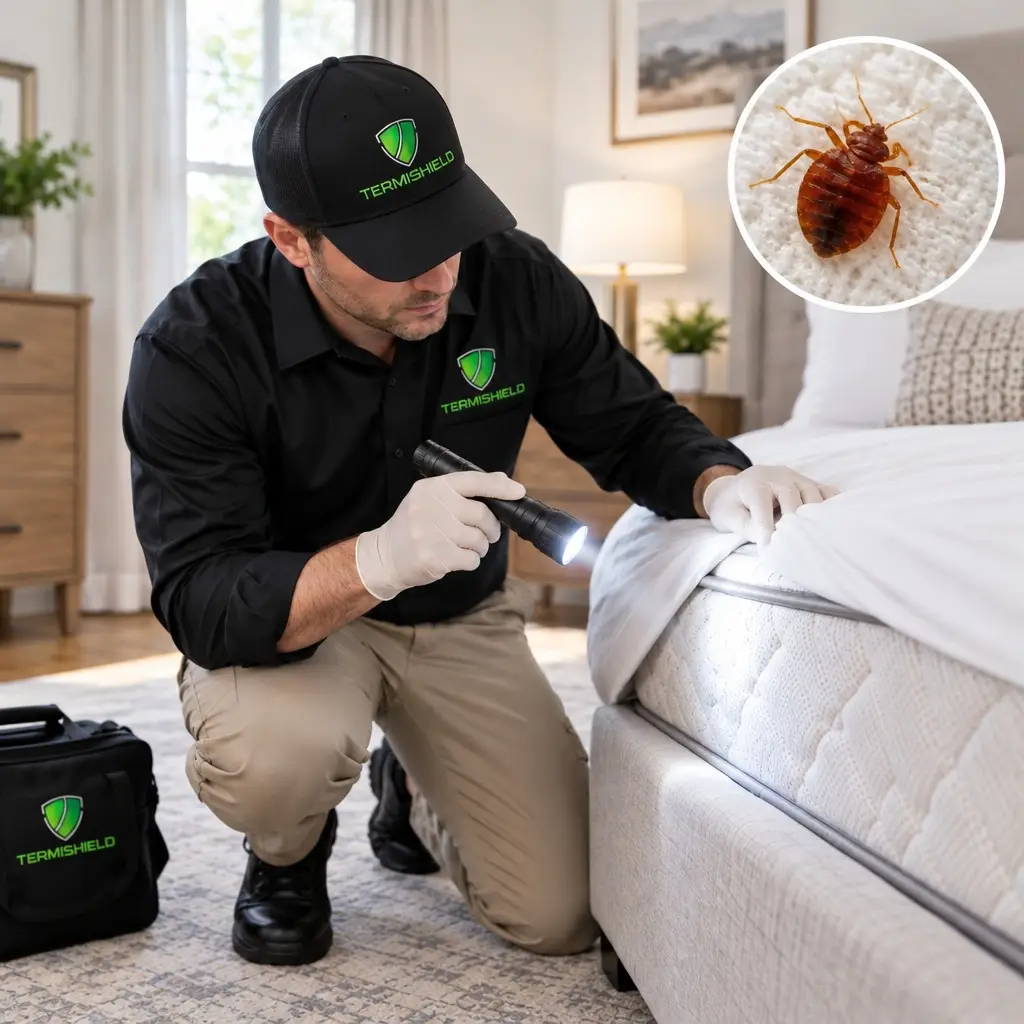

Topics: Pest Control
Finding a bed bug in a bedroom, on a couch, or near a child’s backpack can make every itch feel suspicious. The good news is that professional bed bug treatment results are not based on guesswork. A thorough inspection, the right treatment plan, careful preparation, and follow-up service give your home the best path back to normal.
Bed bugs are stressful because they hide well, feed at night, and can move between rooms or units. They are not a sign that a home is dirty. They are hitchhikers that can arrive through luggage, used furniture, visitors, shared laundry spaces, and many other everyday situations. What matters most is responding quickly and following a plan designed for the level of activity in your home.
What Good Bed Bug Treatment Results Look Like
Successful treatment usually means a steady drop in live bed bug activity, fewer new bites, and no new signs of infestation over time. You may notice fewer bugs immediately after service, but complete resolution is not always instant. Bed bug eggs can hatch after an initial visit, and bugs hidden deep in furniture, wall gaps, or clutter may take time to contact the treatment.
A reliable result is not simply seeing one quiet night after treatment. It is a pattern: inspections show less activity, monitoring does not reveal new populations, and any remaining bugs are addressed before they can rebuild the infestation. This is why a professional plan often includes more than one visit.
Bite reactions alone are not a dependable way to judge progress. Some people react strongly, some have no reaction at all, and marks can take days to appear. A trained technician looks for more concrete evidence, including live insects, shed skins, eggs, dark spotting, and activity in known hiding areas.
The Treatment Timeline Depends on the Infestation
Every home is different. A small, newly introduced infestation found around one bed can be resolved more quickly than an established problem that has spread into several bedrooms, upholstered furniture, or neighboring units in a multi-family property.
In the first few days after treatment, it is possible to see bed bugs moving from treated hiding places. That can be alarming, but it does not automatically mean treatment failed. In some cases, the treatment disrupts their normal hiding behavior and makes activity more noticeable before it declines. Follow the instructions your technician provides and report any continued activity so it can be evaluated in context.
Within the following weeks, the goal is a clear reduction in sightings and new evidence. Scheduled follow-up inspections help confirm whether eggs have hatched or whether bed bugs were missed in difficult areas. If activity continues, the next step may be an additional targeted treatment, not a vague promise to spray again everywhere.
This measured approach protects your household and helps prevent a few surviving bugs from becoming another full infestation. It also gives you a clear record of what was found, what was treated, and what needs attention next.
Preparation Has a Major Effect on Results
Professional-grade products and equipment matter, but preparation is often the difference between partial control and lasting results. Bed bugs hide in tight spaces: mattress seams, bed frames, nightstands, baseboards, picture frames, recliners, clothing piles, and cracks around flooring. The more accessible these areas are, the more complete the treatment can be.
Your pest professional should give you specific preparation instructions based on your home and treatment method. Those instructions may include laundering and drying bedding and clothing, reducing clutter around sleeping areas, moving items away from walls, and placing clean belongings in sealed bags or containers. Do not move loose items from an affected room into another area of the house unless directed to do so. That can spread bed bugs to new locations.
Avoid applying store-bought sprays, foggers, or alcohol-based products before a professional inspection unless you have been told otherwise. These products can push bed bugs deeper into hiding, create safety concerns, and make it harder to identify the full extent of the problem. Foggers are especially unlikely to reach the protected spaces where bed bugs spend most of their time.
Why Follow-Up Service Matters
Bed bug control is rarely a one-and-done service. Eggs are one reason. They can be difficult to reach, and a treatment plan must account for the possibility of hatchlings after the initial visit. Another reason is that bed bugs may be spread across more areas than a homeowner first realizes.
Follow-up service allows the technician to inspect again, review reported activity, check monitors if used, and apply targeted treatment where it is still needed. This is more accountable than treating once and asking you to hope for the best.
For apartments, duplexes, and other multi-family buildings, cooperation is especially important. Bed bugs can move through shared walls, utility openings, hallways, and common areas. Property managers and residents may need coordinated inspections and treatment to avoid reintroducing activity from an untreated neighboring space.
Termishield Termite and Pest Control approaches bed bug service with the same practical process used across its specialty pest work: inspect the problem, treat the active areas, and protect against the next stage of activity. Clear instructions and documented follow-up give homeowners a better sense of what is happening in their home and why.
Signs You May Need Another Inspection
Do not assume every mark on your skin means bed bugs are back. At the same time, do not ignore clear signs of continued activity. Contact your pest control provider if you find live bed bugs, fresh dark spotting around beds or furniture, shed skins in new areas, or repeated bites alongside other physical evidence.
A new sighting does not always mean a new infestation. It may be a surviving bug emerging after treatment, a recently hatched nymph, or activity that was not visible during the first inspection. The important question is whether the pattern is declining or increasing. A professional follow-up inspection can answer that question far more accurately than checking mattresses late at night with a flashlight.
Keep notes on where and when you see activity. If possible, save an insect in a sealed container or take a clear photo without disturbing the area. Accurate identification matters because fleas, carpet beetles, ticks, and other pests can be mistaken for bed bugs.
How to Protect Results After Treatment
Once treatment is underway, avoid bringing secondhand furniture, mattresses, or upholstered items into the home without inspecting them carefully. After travel, unpack luggage away from bedrooms when possible and wash and dry clothing promptly. Examine luggage seams before storing bags.
Mattress and box spring encasements can also support a bed bug management plan when recommended by your technician. They make inspections easier and remove many hiding places. Keep beds slightly away from walls and avoid letting blankets touch the floor if you are using bed interceptors or monitoring devices.
Most importantly, keep the scheduled follow-up appointment. When bed bugs are involved, the quiet period after a treatment is when verification matters most. Skipping that visit can leave a small remaining population time to grow.
A bed bug problem can feel personal, but it is a service issue with a practical solution. Start with a careful inspection, follow the preparation directions, and give the treatment plan time to work. With professional monitoring and accountable follow-up, you can move from sleepless uncertainty toward a genuinely Bug Free Day!