
Topics: Pest Control
A mouse dropping behind the water heater, a faint line of mud along a foundation wall, or a wasp nest forming under the eaves can be easy to overlook. Pest inspections turn those small warning signs into a clear plan before the problem spreads, damages property, or makes your home less comfortable.
For homeowners across Indiana and Michigan, an inspection is not just for the day you spot a bug. It is a practical way to find conditions that attract pests, identify activity you may not see, and decide whether treatment, exclusion, or ongoing protection makes the most sense.
What Pest Inspections Actually Check
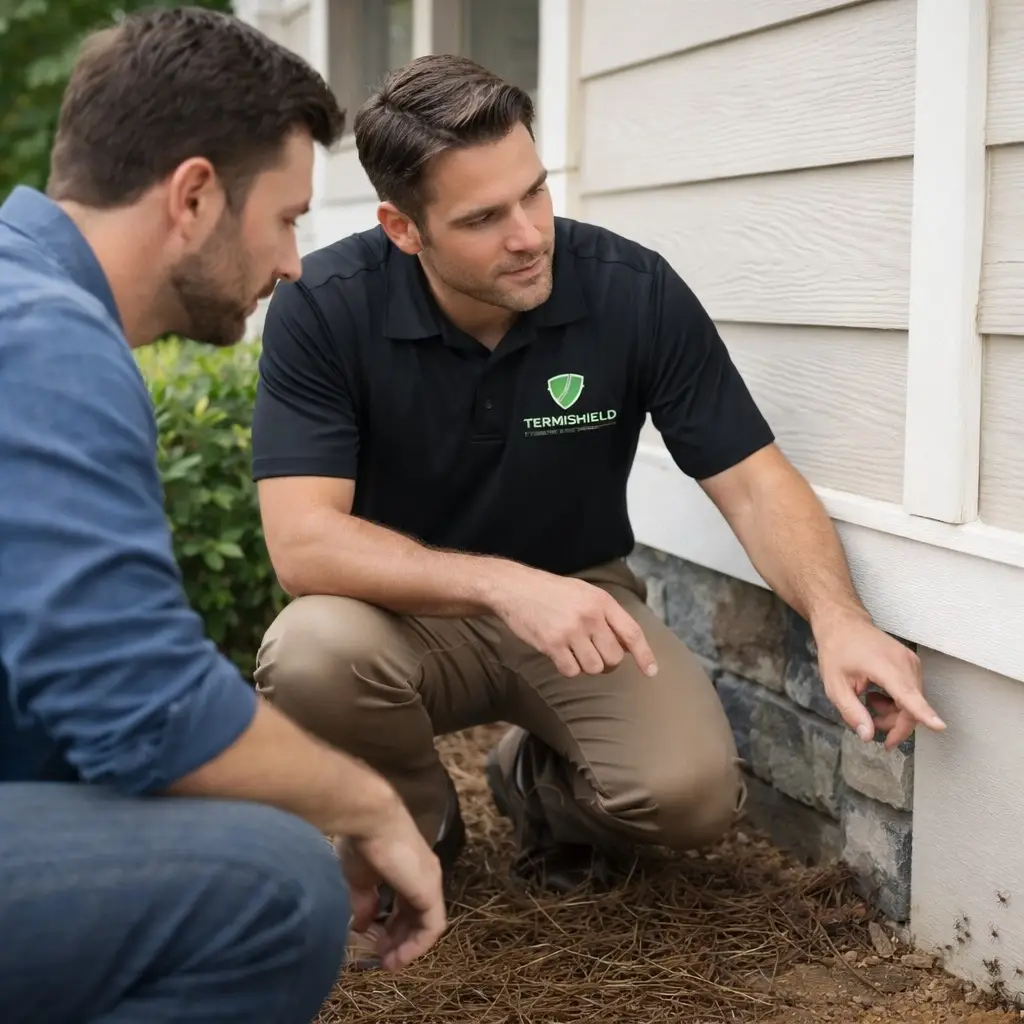
A professional inspection begins with more than a quick look around the kitchen. A trained technician considers the full property: interior rooms, basements, crawl spaces, attics, garages, exterior walls, foundation areas, utility entry points, gutters, landscaping, and places where moisture collects.
The goal is to look for evidence of current pest activity and the conditions that support it. That may include droppings, gnaw marks, nests, tracks, insect harborage areas, damaged wood, grease marks, shed skins, entry gaps, standing water, food sources, or moisture problems. Some pests are obvious. Others, including termites and rodents, often remain hidden until activity has been present for some time.
A good inspection should also separate a one-time nuisance from a recurring risk. One spider in a bathtub does not always call for a major treatment program. Repeated spider activity around exterior lights, webbing along eaves, and other insect pressure around the home can point to a larger pattern that deserves preventive service.
Why Early Pest Inspections Save Trouble Later
Pests do not wait for a convenient time. Ants can build trails into kitchens, mice can move from garages into living spaces as temperatures drop, and termites can feed out of sight. Wildlife may enter through a small roofline opening and create damage or contamination before anyone hears movement overhead.
Finding activity early often gives you more options. A small exclusion repair and targeted treatment may resolve a developing rodent issue. Waiting until rodents are nesting in insulation can mean more extensive sanitation, trapping, repairs, and follow-up visits. The same principle applies to cockroaches, bed bugs, fleas, stinging insects, and termites.
Early action also protects the parts of homeownership that are hardest to replace: peace of mind, clean living areas, stored belongings, insulation, wiring, structural materials, and resale confidence. No inspection can promise that a pest will never appear, especially through changing Indiana and Michigan seasons. It can, however, reduce surprises and help you respond before a minor concern becomes an urgent one.
Signs It Is Time to Schedule a Pest Inspection
You do not need to identify the exact pest before asking for help. In fact, guessing can lead to the wrong store-bought product or a treatment that only affects what you can see. Schedule an inspection when you notice one or more of these signs:
- Droppings, gnaw marks, scratching sounds, or unusual pet behavior near walls, attics, or appliances.
- Ant trails, cockroach sightings, flea bites, bed bug signs, or insects appearing repeatedly in the same rooms.
- Mud tubes, soft or damaged wood, discarded wings, or other possible termite evidence.
- Wasps, hornets, bees, or other stinging insects gathering around rooflines, siding, sheds, or play areas.
- A musty odor, moisture issue, gap around a pipe or vent, or visible opening that could allow pests inside.
Home sellers, buyers, and property managers may also need pest inspections when a transaction, tenant concern, maintenance issue, or insurance-related question calls for documented findings. The right scope depends on the property and the reason for the inspection. A real estate termite inspection is not the same as a general inspection for recurring ants or a commercial inspection for a food-service operation.
What Happens During a Professional Inspection
The process should be straightforward: inspect, treat, protect. First, the technician listens to what you have noticed. The location, timing, and frequency of sightings can help narrow the search. A technician then examines the areas most likely to reveal activity, along with the exterior conditions that may be contributing to the issue.
Next comes a recommendation based on the findings. That might mean a targeted interior treatment, an exterior perimeter service, baiting or trapping, rodent exclusion, termite treatment, nest removal, sanitation guidance, or monitoring. Honest pest control does not treat every problem the same way. The best solution depends on the pest, the extent of activity, the construction of the building, and who uses the space.
Finally, a service plan should address what happens after the first visit. Some issues resolve with one treatment. Others require follow-up because eggs hatch, weather changes, exterior pressure remains high, or pests have access through a structural opening. Ongoing coverage is often a better value for properties with seasonal pest pressure or a history of recurring activity.
How Often Should Your Property Be Inspected?
For many homes, a yearly inspection is a sensible baseline, particularly if the property has a crawl space, wooded surroundings, moisture concerns, prior termite activity, or a history of rodents. Quarterly service creates more frequent opportunities to catch changing conditions and maintain exterior protection through the seasons.
The right schedule depends on risk. A newer, well-sealed home may need less intervention than an older home with foundation cracks, aging utility penetrations, or nearby vegetation touching the structure. A restaurant, warehouse, healthcare facility, multi-family property, or office with regular deliveries may need inspections more often because pests can arrive with shipments, visitors, food, waste, or shared building access.
If you have had a treatment recently, follow-up timing matters. A technician may recommend a return visit to confirm that activity has stopped, adjust the approach, or complete exclusion work. That accountability is a key part of effective pest management, not an optional extra.
Preparing for Your Inspection
You do not need to deep-clean your entire property before a technician arrives. It helps to leave access open to areas where you have seen activity, such as under sinks, behind appliances, in utility rooms, garages, basements, and attic access points. If possible, make a note of when and where you saw the problem.
Be ready to share recent changes as well. Construction work, new landscaping, water leaks, travel, a new pet, tenant turnover, or a change in trash storage can all affect pest activity. Clear information helps the inspection stay focused and helps your technician recommend only the services your property needs.
Pest Inspections for Businesses and Property Managers
For commercial properties, pest control is tied to more than comfort. It can affect food safety, inventory, health standards, tenant satisfaction, inspections, and daily operations. A documented inspection program helps operators identify risks before they interrupt business.
Restaurants may need close attention around drains, food storage, deliveries, dumpsters, and exterior doors. Warehouses need monitoring around dock doors, stored goods, and perimeter gaps. Multi-family properties need a coordinated approach because activity can move between units. In each case, clear service documentation and follow-up matter as much as the initial treatment.
Choose a Partner Who Explains the Plan
A pest inspection should leave you with answers, not pressure. Ask what pest evidence was found, where it was found, what conditions are attracting the problem, what service is recommended, and whether follow-up is included. You should understand the pricing, the expected timeline, and what you can do between visits to support the results.
Termishield Termite and Pest Control provides free inspections, clear recommendations, and a Bug Free Guarantee designed for real property concerns. If pests return between scheduled services, the team returns at no charge. That is the kind of follow-through homeowners and businesses deserve when they are protecting the places people live, work, and gather.
If something around your property has changed, trust the signal. A timely inspection can replace uncertainty with a practical next step and help make your next day a little more Bug Free.