
Topics: Pest Control
A mouse in the house can feel like a one-time problem. A mouse problem that returns every fall or winter is different. If you are asking, “Is it just unlucky you keep getting mice every year, or is there an underlying problem with your home?” the answer is usually that the home has become reliably easy for rodents to enter, feed, or nest in.
Mice are looking for the same things every year: warmth, shelter, food, water, and a safe route inside. Once they find those conditions at your property, they can return season after season. That does not mean your home is dirty or poorly cared for. It means there is a gap in the protection plan that needs to be identified and corrected.
Why Mice Keep Coming Back Every Year
In Northwest Indiana and nearby Michigan communities, mouse activity often rises when temperatures drop and outdoor food sources become less available. A home with accessible entry points can become a dependable winter stop.
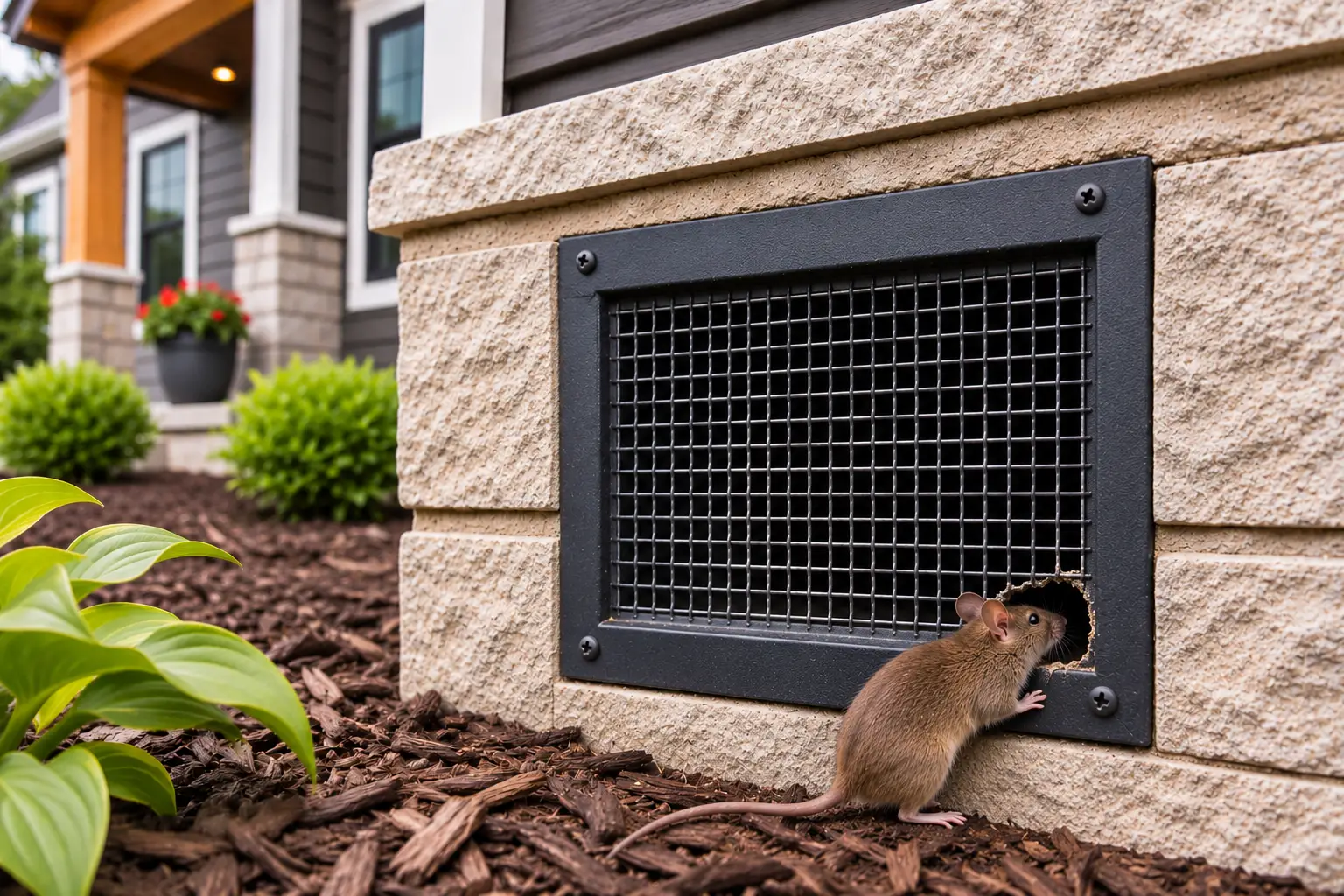
Mice can fit through openings about the size of a dime. That makes small gaps around utility lines, dryer vents, pipes, foundation penetrations, garage doors, and worn weatherstripping more significant than they look. A cracked vent cover or a loose section of siding may be all a mouse needs to get started.
The first mouse is not always the only concern. Mice leave scent trails, and those trails can help other rodents locate a successful route. If the same opening remains available, the pattern can repeat even after you remove the mice seen indoors.
Food also matters, but it is not the whole story. Pet food left out overnight, birdseed in the garage, open pantry goods, and crumbs behind appliances can make a home more appealing. Still, a spotless kitchen will not solve a rodent problem if mice can easily enter through the exterior.
Signs of an Underlying Mouse Problem in Your Home
Recurring activity usually points to one or more conditions that have not been addressed. You may hear scratching in walls or ceilings, find droppings under sinks or in pantry areas, notice gnaw marks on food packaging, or see shredded insulation and paper in a basement, attic, or garage.
Pay attention to where the evidence appears. Droppings near an attached garage, mechanical room, or utility closet often suggest an exterior entry point nearby. Activity in an attic may indicate gaps around rooflines, vents, or soffits. Mice found primarily in the kitchen may have traveled from another part of the home while following access to food and water.
A professional inspection looks beyond the room where you spotted the mouse. The goal is to trace how rodents are getting in, where they are nesting, and what conditions are keeping the problem active.
Inspect, Treat, Protect Against Recurring Mice
A lasting solution requires more than placing a few traps. Trapping can reduce current activity, but it does not close the door behind the rodents. The most effective approach combines removal with exclusion and prevention.
Inspect the outside first
Walk the foundation, garage, doors, vents, deck connections, and utility areas. Look for gaps, damaged screens, loose sweeps, and openings around pipes or cables. Check for branches or stored materials that give mice protected access near the home.
Treat the active problem carefully
Targeted rodent control should be placed and monitored where activity is occurring, with attention to children, pets, and the layout of the property. Interior evidence, exterior activity, and nesting locations all influence the right treatment plan.
Protect the home from the next season
Exclusion work may include sealing entry points, repairing weatherstripping, screening appropriate vents, and addressing vulnerable areas around utilities. Store dry goods and pet food in sealed containers, keep garage storage organized, and move birdseed, firewood, and clutter away from the foundation when possible.
There are trade-offs. A quick one-time treatment can be useful for a small, isolated issue, but it may not be enough for repeated seasonal activity. If mice return every year, ongoing monitoring and a thorough exclusion plan are often the better value because they address both the current rodents and the reason they keep coming back.
When It Is Time to Call for Help
Call for a professional inspection when you see repeated droppings, hear movement in walls, find chewed wiring or insulation, or have already tried traps without stopping the activity. Rodents can contaminate stored food, damage materials, and create problems in hard-to-reach areas long before they are regularly seen.
Termishield Termite and Pest Control uses an Inspect, Treat, Protect approach to identify active mouse issues and the property conditions behind them. Clear recommendations and a prevention-focused plan help homeowners make informed decisions without guessing at the source.
You do not have to wait for the first cold night to find out whether last year’s mouse problem is returning. A careful inspection now can help make your home a less inviting place for rodents all year long.