
Topics: Pest Control
Look for straight, beaded antennae and a thick, fairly straight waist. Winged termites have two pairs of wings that are roughly equal in length; ants have bent antennae, a pinched waist, and unequal wing pairs. A termite inspection can identify the pest and assess activity around the property.
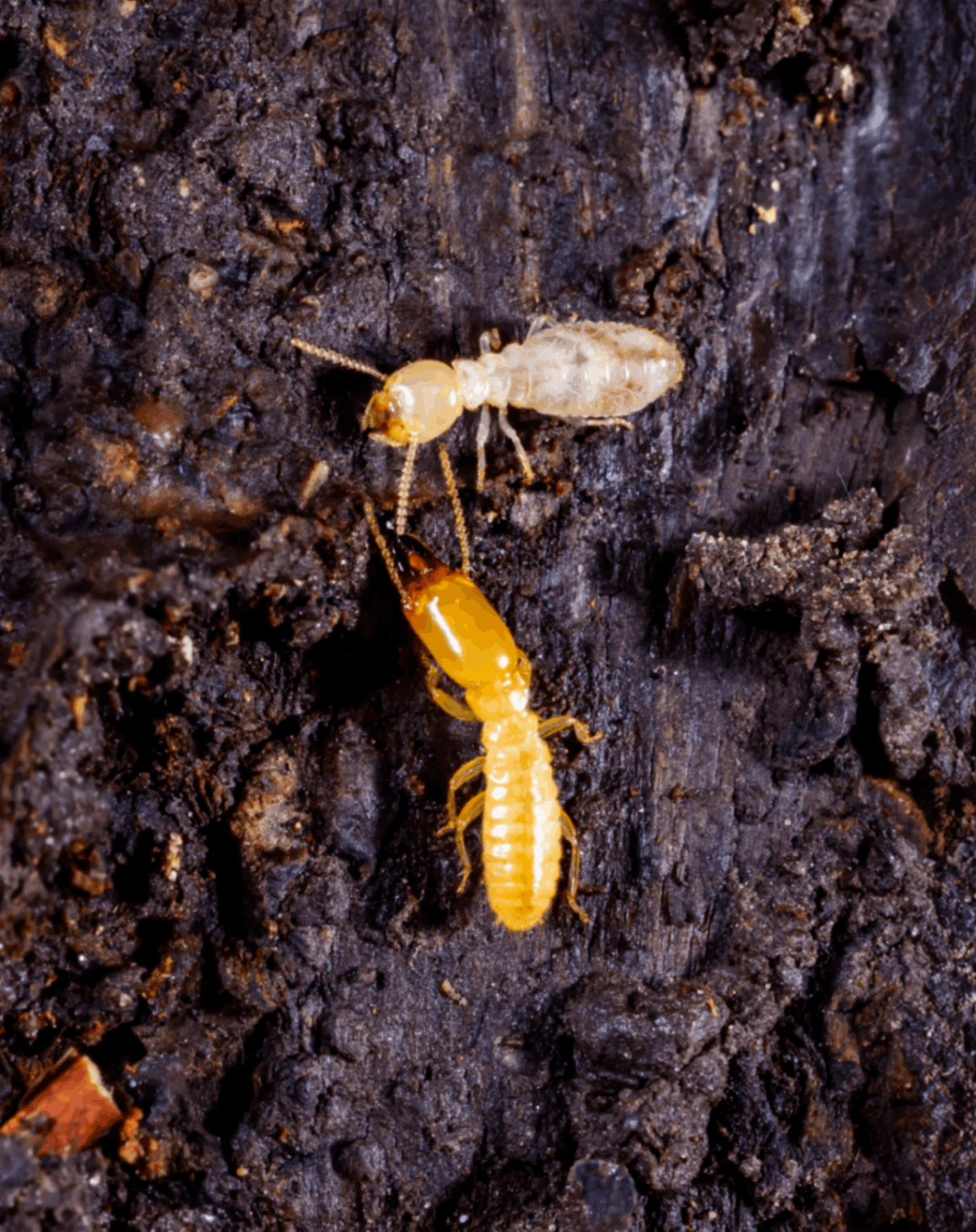
Termites are small but highly destructive pests. They often go unnoticed until significant damage has occurred. So, what does a termite look like? Termites are commonly confused with ants, but they have distinct features that set them apart. Understanding how to spot these pests early can save you from costly repairs. Recognizing a termite’s key physical traits, such as its wings, antennae, and body shape, is essential for identifying a termite infestation early.
What Are the Key Characteristics of Termites?
Termites are typically small insects, ranging from one-eighth of an inch to one inch long. Their appearance can vary depending on the species, but certain traits are consistent across most types. One notable characteristic is their straight, beaded antennae, which help distinguish them from ants, who have bent antennae. Another important feature is their thick, straight waist. While ants have a pinched waist, termites maintain a broader, more uniform body shape.
Termites also have two pairs of wings that are roughly equal in length. When termites swarm, they shed their wings once they find a new place to establish a colony. This is another indicator that can help differentiate them from ants, which typically have wings of unequal lengths. The color of termites can range from pale white to darker shades like brown and black, depending on the species and their role within the colony.
Types of Termites and Their Appearances
There are several species of termites, each with slight variations in appearance. These differences can help you identify which type of termite is present in your home.
- Subterranean Termites are the most common type found in the United States. They are pale and often appear white, living in the soil. These termites usually build mud tubes that connect their colonies to food sources.
- Drywood Termites do not live in soil. Instead, they infest dry wood, such as beams or furniture. They are typically darker in color, ranging from light brown to reddish-brown. These termites often go unnoticed because they thrive inside wooden structures.
- Formosan Termites are known for being highly aggressive. They are dark brown or black and tend to cause significant damage quickly. Formosan termites are common in warmer climates and are particularly destructive to wooden structures.
Each type of termite presents its own risk to homes as well as buildings, making it vital to know what to look for.
Signs of a Termite Infestation
While termites often remain hidden, there are a few telltale signs that can indicate an infestation. The first sign might be seeing termites swarm during their mating season, which occurs in the spring. These flying termites will often appear around windows or doors, and their wings may be visible.
Another sign is the presence of mud tubes on the walls or foundation of your home. These tubes are used by termites to travel between their colony and food sources. If you find these tubes, it’s a clear indication that termites are actively feeding on your home’s wood structure.
You may also notice that the wood in your home sounds hollow when tapped. This is because termites consume wood from the inside out, leaving only a thin outer shell. In severe cases, you may even notice visible damage to wooden beams, doors, or furniture.
If you notice any of these signs, it is essential to take action immediately. Contacting a professional for a thorough inspection can help you determine the extent of the infestation.
How to Treat a Termite Infestation
Once termites are identified, it’s important to take swift action. There are a variety of treatment methods available, each effective depending on the nature and severity of the infestation.
One of the most common treatments is liquid soil treatment, which involves applying termiticides around the foundation of your home. This creates a barrier that prevents termites from entering your structure. Additionally, baiting systems can be placed around your home. These systems attract termites, and when they consume the bait, it spreads through the colony, eventually eliminating the infestation.
In some cases, wood treatments may be applied directly to the affected wood to kill termites and stop the spread. However, these treatments are typically most effective for smaller infestations.
It is important to note that professional help is often required for these treatments. Improper application of termiticides or baiting systems can lead to contamination and further issues.
Preventing Termites from Returning
Preventing termites from entering your home in the first place is far less expensive and damaging than dealing with an infestation. Several steps can help make your home less attractive to termites.
Start by fixing any leaks around your home. Termites are drawn to moisture, so keeping the area around your home dry is key to preventing an infestation. Ensure that your gutters and downspouts are clear to avoid water buildup around your foundation.
Seal any cracks in your foundation or around doors and windows to keep termites from finding an entry point. If you store firewood or other wooden materials near your home, move them away from the structure to reduce the attraction.
Additionally, routine inspections can help detect any early signs of termite activity, allowing you to address any issues before they escalate. A professional pest control service can help you maintain a termite-free home year-round.
How Termishield Termite and Pest Control Can Help
Termites can silently destroy the foundation of your home, leading to costly repairs. Identifying what termites look like and knowing how to spot them is key to protecting your property. If you notice any signs of termites, it is vital to contact a professional to assess the situation and apply effective treatment.
At Termishield Termite and Pest Control, we specialize in termite inspections, treatment, and prevention. Our expert team uses the latest methods to eliminate termites and protect your home from further damage. If you suspect termite activity, contact us today to schedule a thorough inspection and safeguard your home against termites.
What to Ask Before Booking Service
Share where the insects or discarded wings were found and any mud tubes, moisture issues, or damaged wood. Ask which areas will be inspected and how treatment differs from repairing existing damage.
Termite inspection and treatment · Hidden termite damage guide · Request an inspection and estimate.